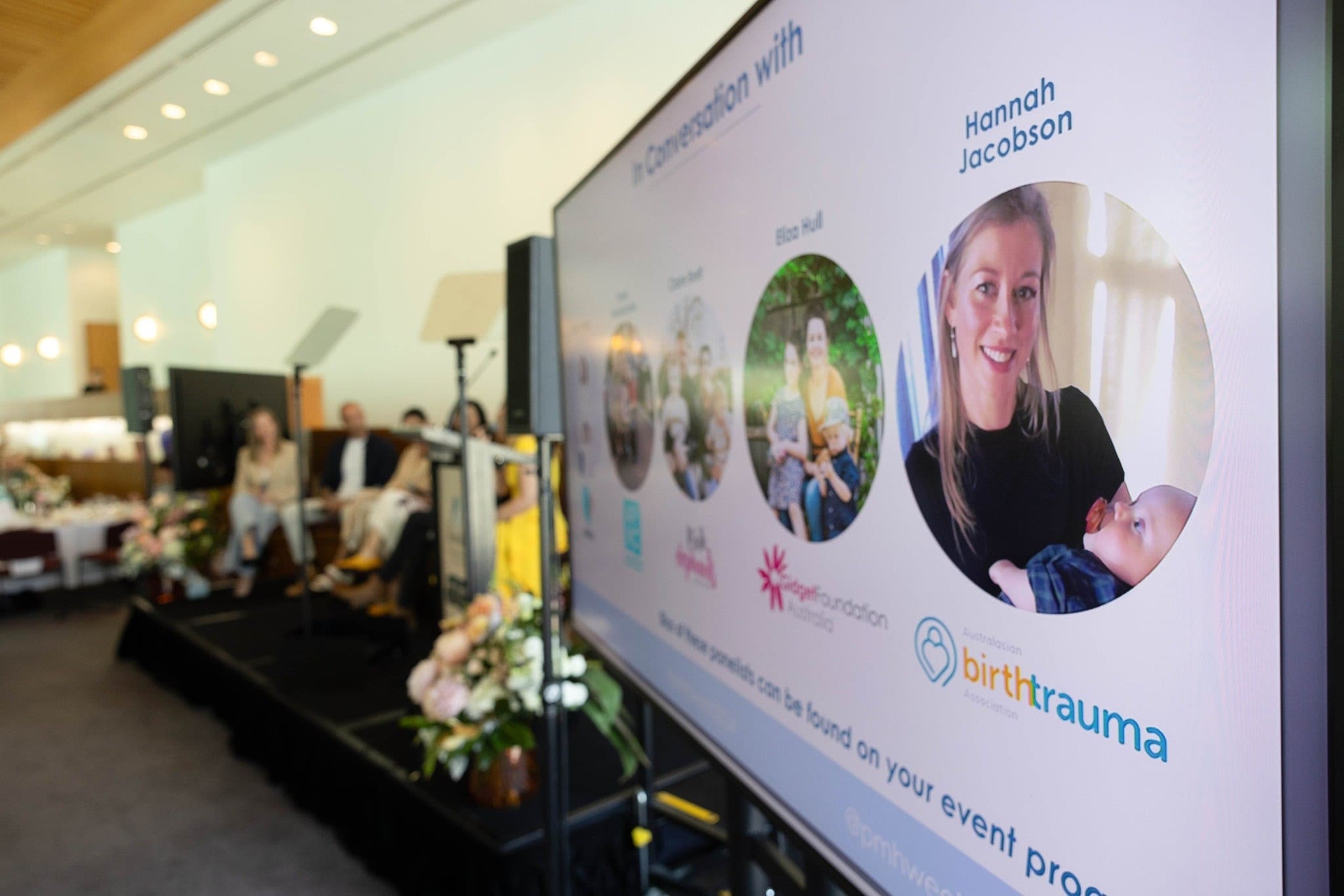
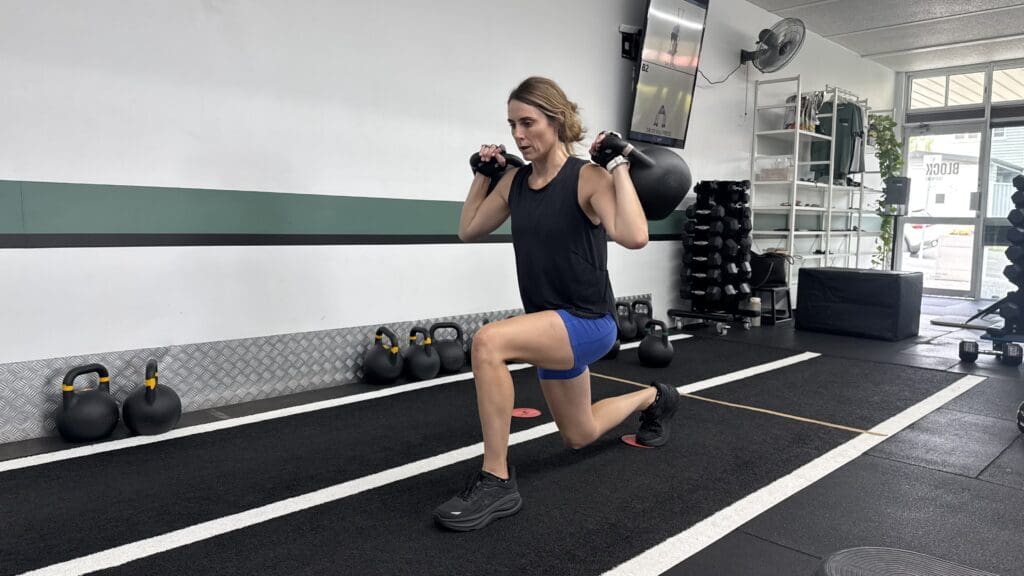
Tanya began volunteering for Birth Trauma Australia in November 2025 and is supporting the team to launch our new ThinkNatal(Tm) Pelvic Physiotherapy Support Service.
This national telehealth program provides free, trauma-informed consultations with specialist pelvic health physiotherapists, personalised recovery guidance, and referral pathways to local care. By removing cost and geographic barriers, the service ensures timely support, improves recovery outcomes, and prevents long-term physical and psychological impacts of untreated birth trauma.
We are so grateful to Tanya for sharing her birth story, and for volunteering to support us so generously.
Content warning: Discusses pelvic organ prolapse
For me, having a baby was an incredibly amazing experience and, of course, a very steep learning curve. I now have three children aged 7, 5 and 3, and they are so incredibly special to me.
A couple of weeks after the vaginal birth of my first baby, I knew something was very wrong. I felt a heaviness in my vagina, like something was falling out. When I checked, I could both see and feel bulging tissue outside my vagina. It was the most horrible feeling.
I am an active person and absolutely love to exercise. I had pictured myself going for long walks with my baby and taking mums-and-bubs exercise classes. But I couldn’t do any of it. Any prolonged standing made the bulge and heaviness worse. I remember showering at the end of each day, my heart sinking when I realised the bulge was still there. The only relief I got was from lying down, which is highly impractical when you have a newborn who needs around-the-clock care.
I called my obstetrician, and she agreed to see me that day. After an internal examination, she explained that I had a significant bladder prolapse (cystocele). She referred me to a pelvic health physiotherapist to be fitted for a pessary, a silicone device inserted into the vagina to support the pelvic organs and keep them in place.
I had never even heard the word “prolapse” before. And I absolutely did not want to wear a pessary. Thankfully, through a friend, I found a wonderful pelvic health physiotherapist. She was one of the most compassionate health practitioners I could have asked for. I will forever be grateful for the care and reassurance she gave me. She helped me rebuild my pelvic floor strength and gently encouraged me to try a pessary.
It took months to find one that fit properly and stayed in place, but when we finally did, the relief was tremendous. I could walk and lift my beautiful baby without feeling like my insides were going to fall out.
I truly am one of the lucky ones. I knew how to access help, and I could afford multiple specialist appointments. I went on to have two more vaginal births, and each time, with the support of a pelvic health physiotherapist, I was able to navigate living with prolapse and recovery after birth.
Today, almost eight years later, I still live with a stage 2 bladder and bowel prolapse. I still wear a pessary every day. But I can run, jump, play netball and live an active life with my children. Most importantly, I am symptom-free and prolapse no longer dominates my thoughts.
My hope in sharing my story is that all women know that help is absolutely possible. You are not alone, and you do not have to suffer in silence.
Birth Trauma Australia is working hard to offer Women+ free, confidential telehealth consultations with qualified pelvic health physiotherapists, helping women understand their condition and take the next steps toward healing.
Click here to learn more about this service: https://birthtrauma.org.au/free-online-pelvic-health-support/