

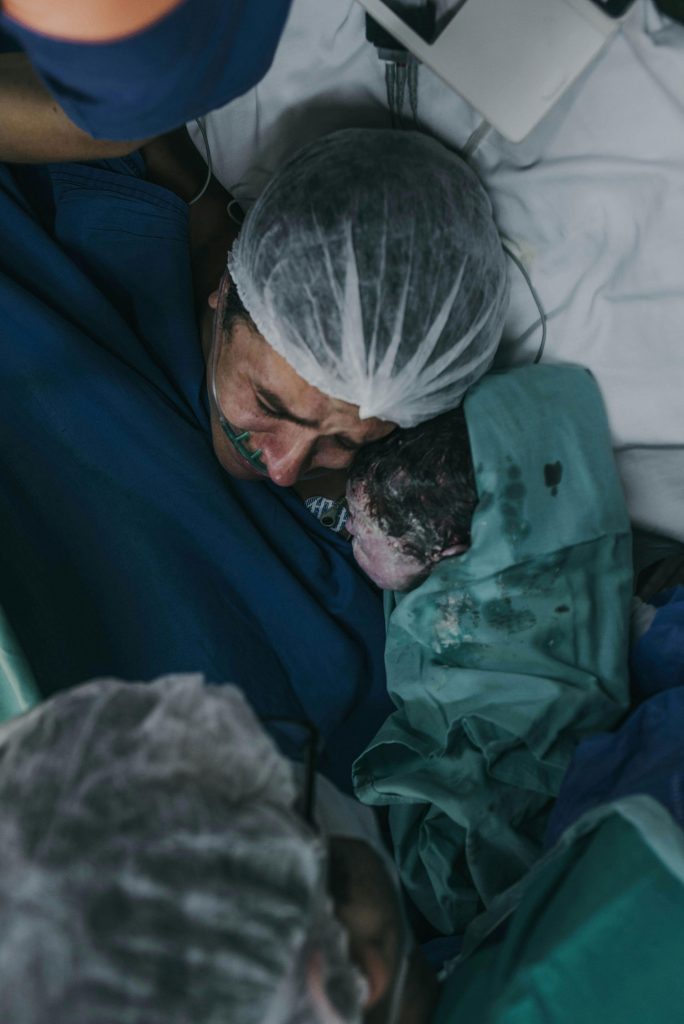
Non-birthing parents experience birth-related trauma too
We recognise the important role that fathers and partners play in the lives of women+ affected by psychological and/or physical trauma and see the trauma that they experience themselves from the birth experience.
The first section on this page speaks to fathers/partners who are themselves navigating birth-related trauma. The second section is written for parents who are concerned about their partner after the birth experience.
We hope this information encourages fathers and partners to seek help, understand that they matter too, and know that support is available.
Are you a father or partner navigating birth-related trauma?
After witnessing a difficult birth experience, it is a significant time for all involved, including fathers and partners. You may be juggling many roles, such as a supporter to your wife/partner, work duties, and a parent to the new baby and older children. During the time after birth, fathers and partners are also vulnerable to depression and anxiety and may find it hard to get the support they need.
Below are some of the common symptoms experienced by fathers and partners after a traumatic birth.
Reliving the traumatic event
Reliving the event through unwanted and recurring memories, including vivid images and/or nightmares. This may cause you to experience intense emotional or physical reactions, such as sweating, heart palpitations or panic when reminded of or discussing the birth or events.
Being overly alert or wound up
Being overly alert or wound up can lead you to experience sleeping difficulties, irritability and lack of concentration, becoming easily startled and constantly on the lookout for signs of danger.
Avoiding reminders of the event
Some parents find themselves wanting to deliberately avoid activities, places, people, thoughts or feelings associated with the birth or aftercare event because it brings back painful memories.
Feeling emotionally numb
You may find yourself losing interest in day-to-day activities, feeling cut off and detached from friends and family, or feeling emotionally flat and numb.
It is estimated that 1 in 10 fathers experience postnatal depression
This is particularly true when there has been a traumatic or negative birth experience, for example:
- haemorrhage (excessive bleeding)
- concerns about the baby’s or mother’s survival
- physical damage
- unexpected emergency intervention like a caesarean or instrumental birth
- baby in special care (NICU)
- mum in special care (ICU)
Your partner may have been confused and semi-conscious rather than fully aware of what was happening. You, however, were probably fully aware.
We are often told how fathers or partners are left alone after the birth, sometimes for hours without knowing how their partner is doing.
We urge you to consider the following when trying to work out the best course of action:
- Read our Family and Friends Resource for information that will help you support your partner effectively.
- Try to keep communication open with your partner so you can work together to find solutions if she is open to talking about it. Getting help from a perinatal mental health clinician for both of you is recommended. This should help you both address your experiences and work out a plan to move forward. Seeking help together may assist in addressing relationship issues you may not have been prepared for, some of which may have arisen after the new baby’s arrival.
- If your partner is happy for you to do so, attend appointments together so they can fully explain their findings to you both. Remember that your partner’s experience is valid.
- Remember to seek support for yourself. The resources listed at the bottom of this page may help you find suitable support services.
- Engage in self-care activities, such as exercise, sleeping when you can and healthy eating, and ask friends and family for practical help to support this. You need to be able to refill your cup so you can continue to support your wife/partner.
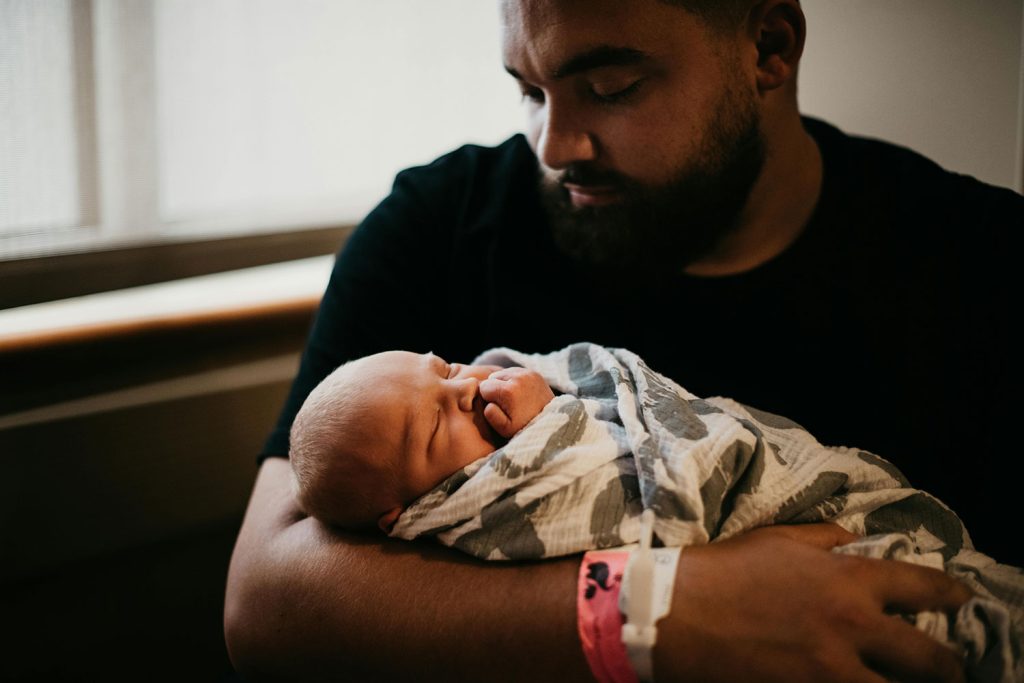
Photo Credit: Debi Brett

Are you concerned about your (non-birthing) partner?
If your birth was difficult, consider the fact that your partner had to witness someone they love go through a distressing event.
They may have experienced the fear that you or your baby could have died.
There can be a number of reasons that some dads/partners may not seek help:
- Dads and non-birthing parents can feel that they need to be strong because they weren’t the person to give birth.
- Many men are afraid of asking for help.
- Partners and support people may not realise they are struggling.
- There is still a stigma associated with mental health problems.
- It may be difficult to start the conversation, so they often hold back their feelings.
If either of you is experiencing mental health challenges, it is important to consult your family doctor and get referrals for counselling and/or medication if needed.
Your partner may also be confused because they do not truly understand the nature of your physical injuries or other difficulties that you’re having.
They may feel despair that there was nothing they could do to fix the problems you experienced. Or they may feel guilty for getting you pregnant in the first place.
Below is a list of suggestions to help you decide on the best course of action:
- You should both read our Family and Friends Resource for information that will help them support you effectively.
- Try to keep communication open with your partner so you can seek solutions together. Finding a perinatal mental health professional for both of you may be helpful.
- You may also like your partner to attend your appointments so they can fully understand your diagnoses, but only if you feel comfortable with them joining you.
- Encourage them to seek the support they need. Many dads experience anxiety and depression as new fathers, so they are not alone. The Resources listed at the bottom of this page may help them find suitable support services.
- Encourage them to engage in good self-care practices and to help with baby-related tasks; this will benefit the whole family.
Resources
We recommend reading our Family and Friends Resource for more information on how to support a parent who has experienced birth-related trauma.
You can find more services on our main Support Services page.