

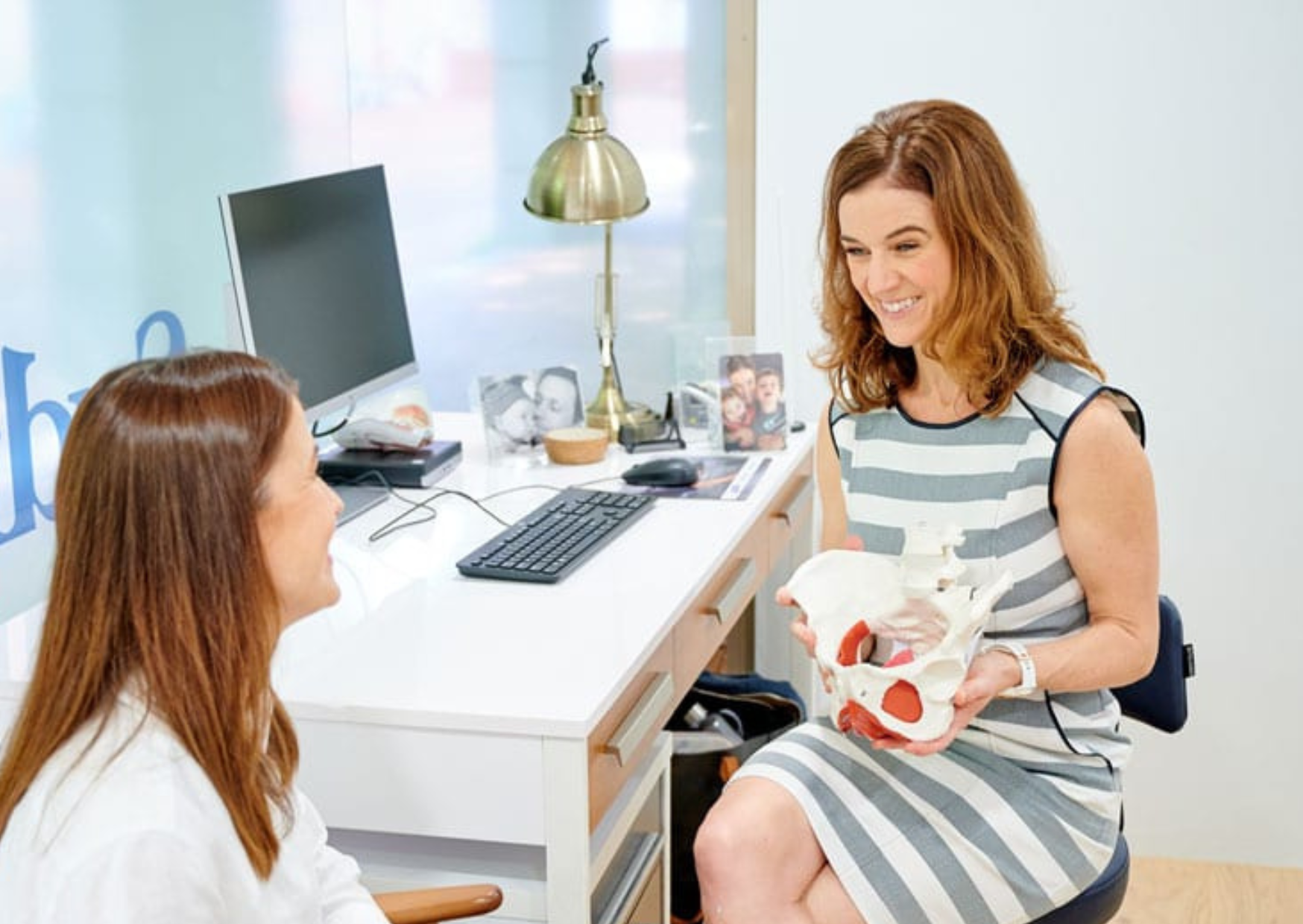
Continence & Pelvic Health Physiotherapist, Emma Boyes, explains how pelvic health physiotherapy can support recovery following a traumatic birth. Free telehealth support is currently available for women+ across Australia through BTA’s ThinkNatal™ Pelvic Physio Support Service.
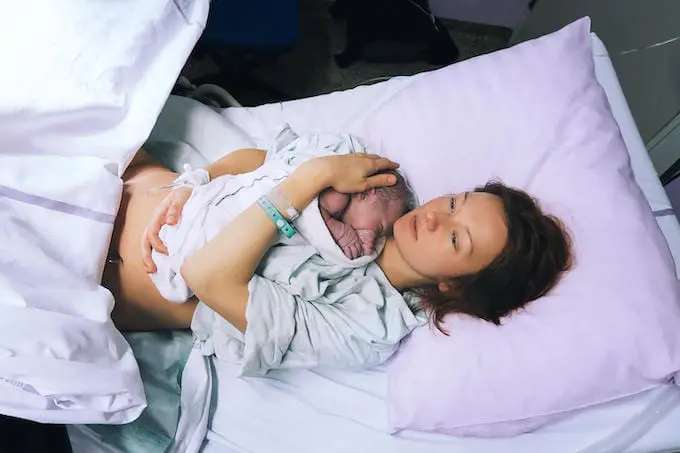
Birth changes your body – sometimes in ways that are visible straight away, and sometimes in ways that only show up weeks or months later. “Birth-related trauma” covers a wide range of experiences, and physical birth trauma in particular is often ignored simply because mums aren’t told it’s something a physio can actually help with. Here’s how pelvic health physiotherapy supports recovery across four of the most common areas.
Perineal tears
Perineal tears are a common injury to the skin and muscles between the anus and vagina, also known as first-degree, second-degree, third-degree and fourth-degree tears, but healing well involves more than the stitches closing. Scar tissue can become tight, sensitive, or stuck to surrounding tissue, which can lead to pain with sitting, movement, or intimacy long after the wound itself looks healed. A pelvic health physio can assess how the tissue is healing, use techniques like scar massage and desensitisation, and guide you through pelvic floor exercises that support healthy, flexible healing rather than a scar that stays restricted.
Caesarean scars
A caesarean is major abdominal (belly) surgery, but recovery advice often stops at “don’t lift anything heavy for six weeks.” The scar itself cuts through multiple layers of tissue, and as it heals it can become pulled tight to the layers beneath it, which affects core function, posture and even sensation around the scar. Physio-led scar therapy – loosening the scar, addressing tightness and desensitising the area – can improve how the tissue moves and reduce the numbness, pulling or discomfort that many mums are told is just “part of it.” It also plays a role in restoring proper deep core function, since the abdominal wall was directly cut through during surgery.
Pelvic floor weakness
Pregnancy and birth place a huge load on the pelvic floor, whether birth was vaginal or caesarean. Weakness can show up as leaking with coughing, laughing or exercise, reduced feeling, or a pelvic floor that simply doesn’t respond the way it used to. The fix isn’t just “do more Kegels” – a physio assesses how well your pelvic floor contracts, how well it relaxes, and how it coordinates with your breathing and core, then builds a targeted program from there. For many women, real improvement is very achievable with the right guidance.
Pelvic Organ Prolapse
Prolapse – where pelvic organs shift and create a feeling of heaviness, dragging or bulging in the vagina – is far more common than most women realise, and far more treatable than the internet makes it sound, depending on how the pelvic floor is after the birth. A pelvic health physio can assess the type and how serious it may be, teach you how to manage pressure through daily activities and exercise, and build a personalised pelvic floor and core program aimed at reducing symptoms and improving support. For many women, physio is the first and only line of management needed.
The common thread
Across all four of these, the message is the same: physical birth trauma is common, but “common” doesn’t mean you have to just live with it. A pelvic health physio can properly assess what’s actually going on in your body – not guess from a symptom list online – and build a plan to help you heal, rebuild strength, and feel like yourself again. Whether you’re six weeks or six years postpartum, there’s always a next step worth taking.
Register here for free online pelvic health support today.