

Birth-Related Trauma
As part of our commitment to supporting health professionals, we welcome you to the Birth Trauma Australia Health Professional resource hub. From patient and consumer resources and services to research, education, and training, our health professional hub supports you in giving the best care to you, your patients, and their families. We greatly value your feedback, please reach out to us to improved the quality and breadth of support and information available.
ThinkNatal- Accredited Education and Training Now Available
The BTA provides various training options to support the health and community sectors with our eLearning hub ThinkNatal Training and Education.
Our certified, comprehensive and trauma-informed training is designed to equip Healthcare Professionals with the skills necessary to prevent, diagnose, and treat birth-related trauma. Backed by research and personal stories, we offer a range of training modules to further your professional development and improve maternity care outcomes.
Birth-related trauma is a significant and ongoing issue globally, including in Australia. Often overlooked and misunderstood, it highlights the urgent need for greater awareness and support. While some trauma is unavoidable, much of it is preventable.
Through our research and Peer2Peer support programs, we’ve gained valuable insights into the causes and impacts of birth-related trauma. These insights inform our training, which addresses the critical need to up-skill professionals in this important area.

IS YOUR HOSPITAL, PRACTICE
or workplace seeking specialised training in birth trauma education, either online or in-person?
We specialise in creating tailored experiences to meet your specific needs. Our flexible approach allows us to adjust both the format and the content to your schedule and the topics that matter most to you.
Contact Us
Supporting you to support your patients
BTA offers resources and information for your patients and their families.
Patient Resources
BTA has created a variety of resources that assist health professionals in supporting your patients and their families.
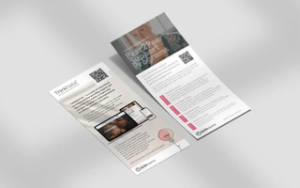
Order Printed Resources
We have a printed resources available for order. Please note due to funding restrictions, availability may fluctuate.
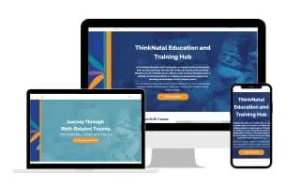
ThinkNatal Education and Training
Download our ThinkNatal Education and Training brochure, including course outlines.
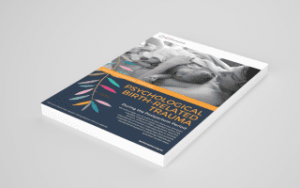
Psychological Birth-Related Trauma Brochure
Inform your patients and educate colleagues: Distribute our Psychological Birth-Related Trauma Brochure for comprehensive understanding.

Our support services
BTA provides a safe space for your patients and their families to seek support with a community of people that ‘get it’. Our Peer2Peer programs are available across Australia, offering different ways to connect, at the right time, space, place and pace. They can explore their own experiences, seek guidance on care pathways while building connections and reducing stigma.


Partner Support
We hope this information encourages you to speak to fathers and partners about their experiences with birth.
Introducing ThinkNatalTM Education for families
Our philosophy is to encourage a collaborative, multi-disciplinary and individualised approach to pregnancy, birth and postpartum care that recognises each person’s life experiences, values, wants, needs and physical health requirements and we encourage our health professionals to do the same.
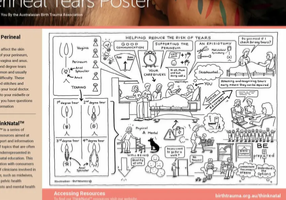
Identifying different forms of trauma
For many women+ who have suffered from birth-related trauma and who are struggling to cope, it is vital that healthcare providers acknowledge the level of distress that these women+ are experiencing. We have identified critical education and knowledge needs relating to these two areas and discuss the intersectionality that exists.
Psychological Trauma
PTSD is one of a group of ailments referred to as Trauma and Stressor-Related Disorders (DSM-5). It is often considered to be something that only war veterans, police officers, paramedics, and similar groups experience, but trauma-related disorders and difficulties are widespread in the community and are more common in women than men.
Vicarious trauma
Vicarious trauma is a process of adverse change that occurs over time to people through repeated exposure (witnessing or hearing about) to other people’s suffering and needs. It occurs over time and is the cumulative effect of contact with people who are survivors of traumatic events and being compelled to help them.