

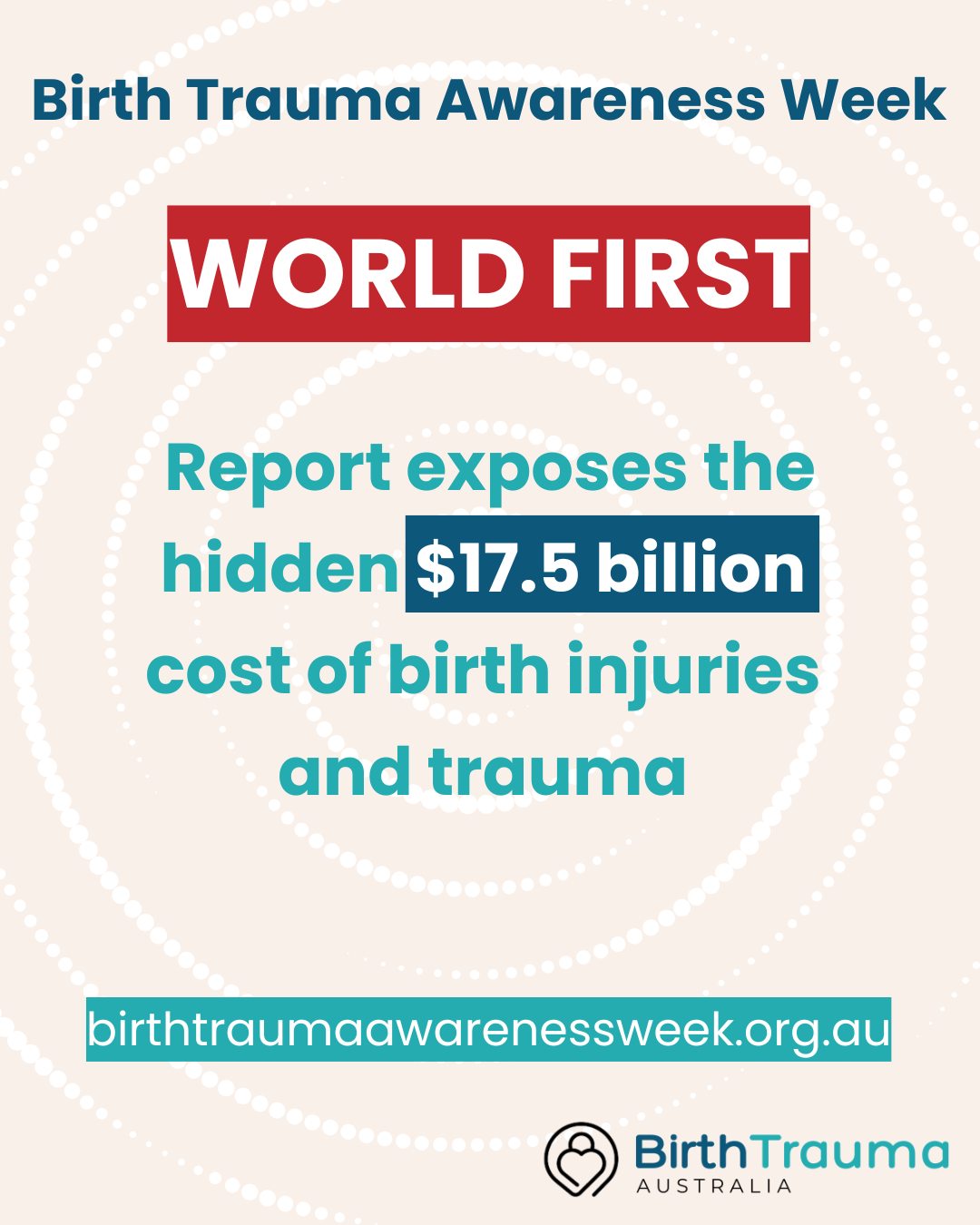
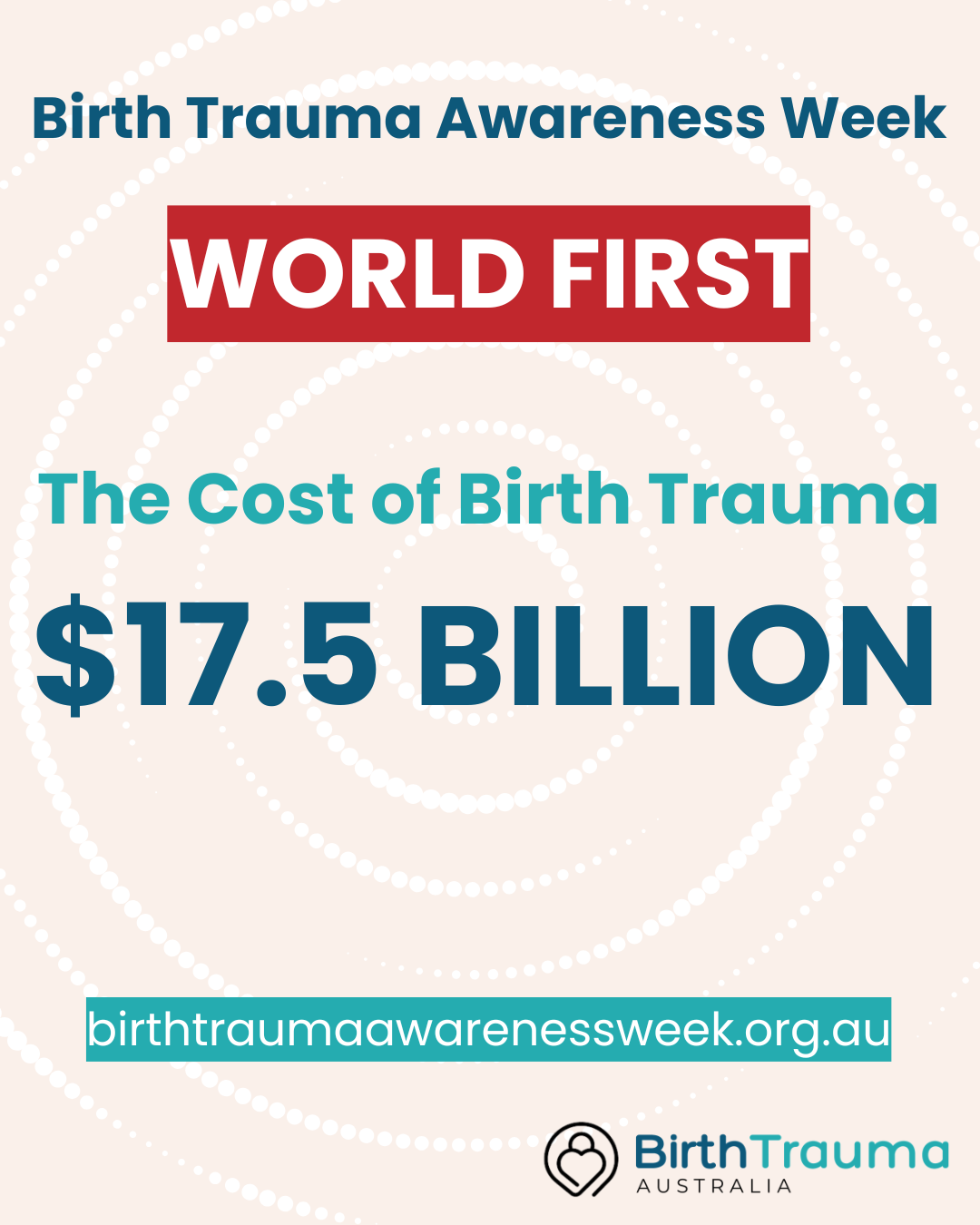
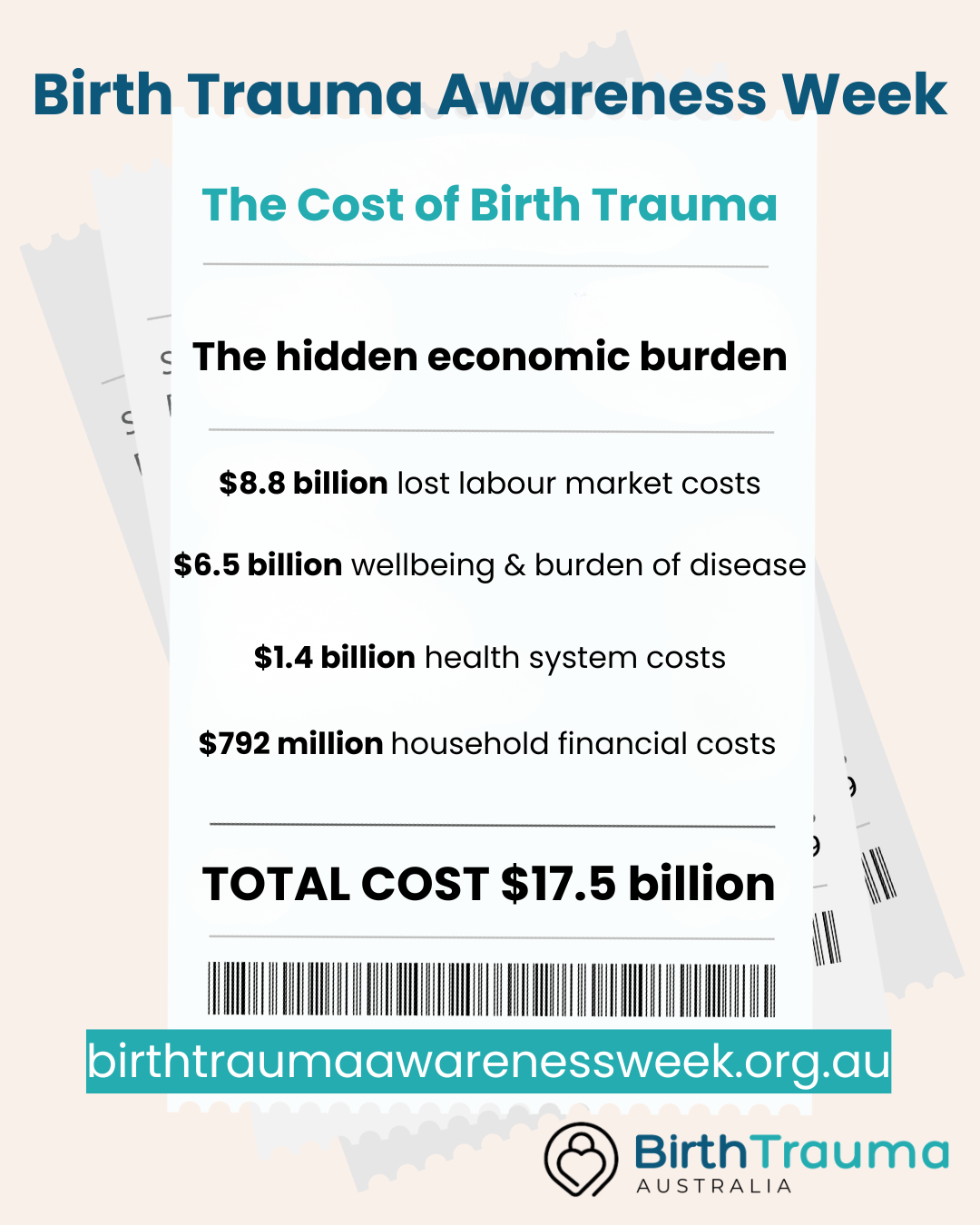
World-first report exposes the hidden $17.5 billion cost of birth injuries and trauma
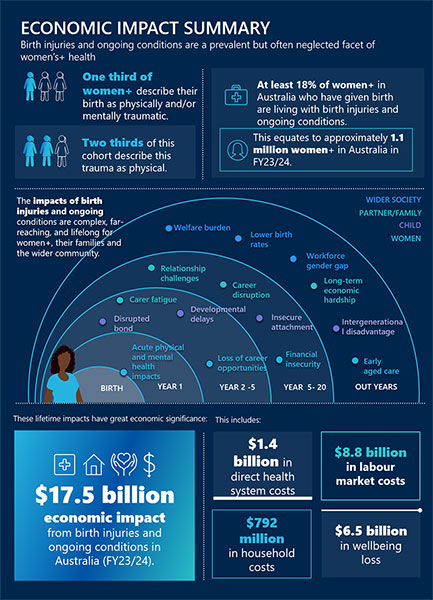
This report, commissioned by Birth Trauma Australia and prepared by Nous Group, provides the first national analysis of the economic impact of birth injuries and ongoing conditions in Australia.
It aims to quantify the scale of the economic burden and strengthen the evidence base for investment in prevention, treatment and postnatal care reform.
While existing research has documented the prevalence and health impacts of birth trauma, the associated economic costs borne by individuals, families and the health system remain largely unmeasured. This report addresses that gap by estimating the direct and indirect costs associated with birth injuries and ongoing conditions, including healthcare use, workforce impacts, household expenses and broader wellbeing loss.
Download the Full Report
Fill out the form and download the report here:


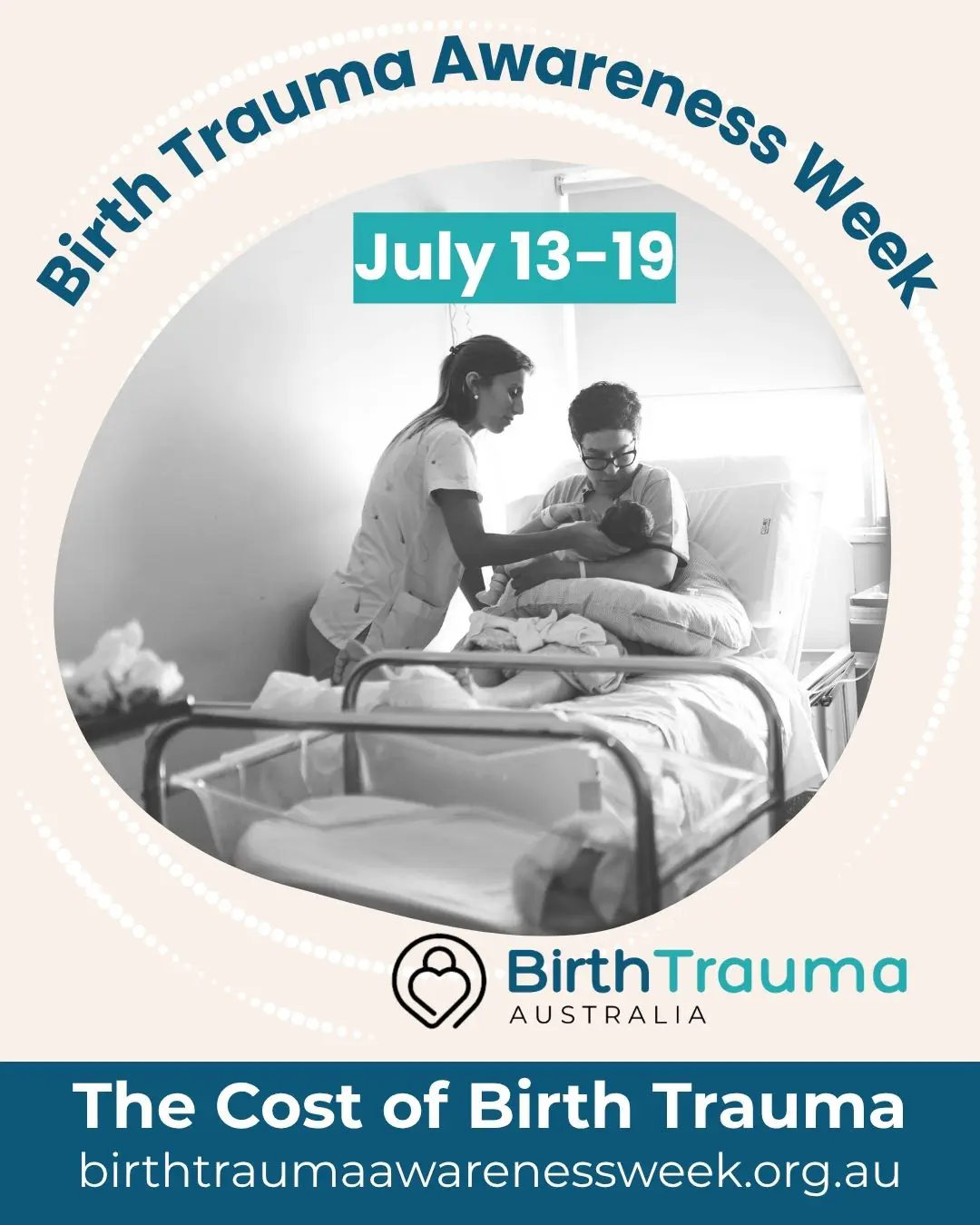
July 13-19
THEME: The cost of birth trauma
- The arrival of a baby is a positive event for many parents.
- But for some, it can be a mixed experience or even traumatic.
- Birth-related trauma can be physical or psychological, or a combination of both.
The impacts of birth-related trauma are often immense, long-lasting and widely felt.
They affect not only the Women+ living with these injuries, but also their families, workplaces, communities and the broader economy.
This Birth Trauma Awareness Week, we’re counting the cost.
DOWNLOAD INSTAGRAM TILES BELOW
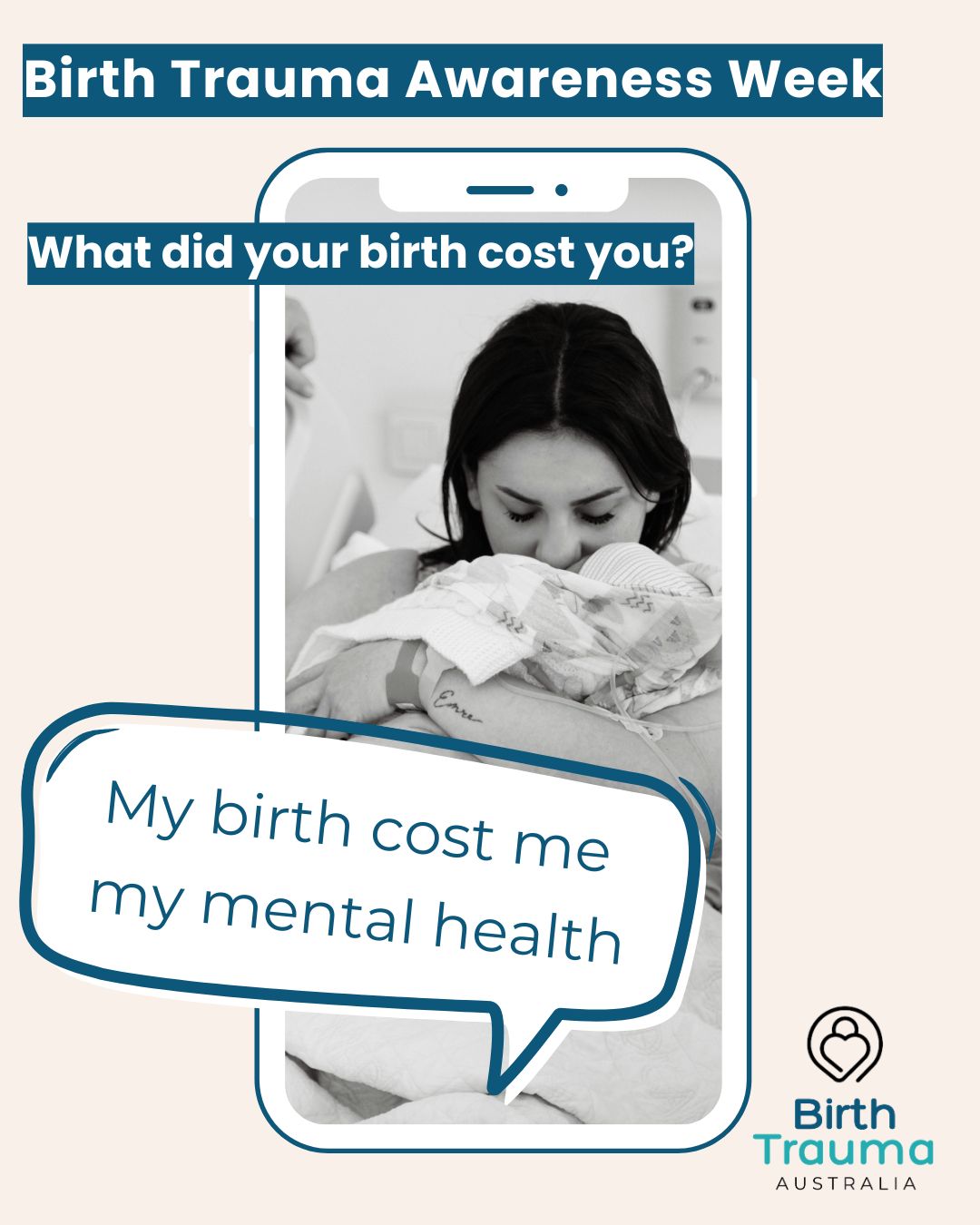
HOW TO GET INVOLVED THIS BIRTH TRAUMA AWARENESS WEEK
The impacts of birth-related trauma extend far beyond physical health.
Birth-related injuries affect mental wellbeing, relationships, parenting, social connection and confidence.
These impacts can persist for years after birth and can, in some cases, be lifelong.
Importantly, these harms do not affect Women+ alone. The impacts ripple outward to partners, children, families and communities.
This Birth Trauma Awareness Week, we’re counting the cost.
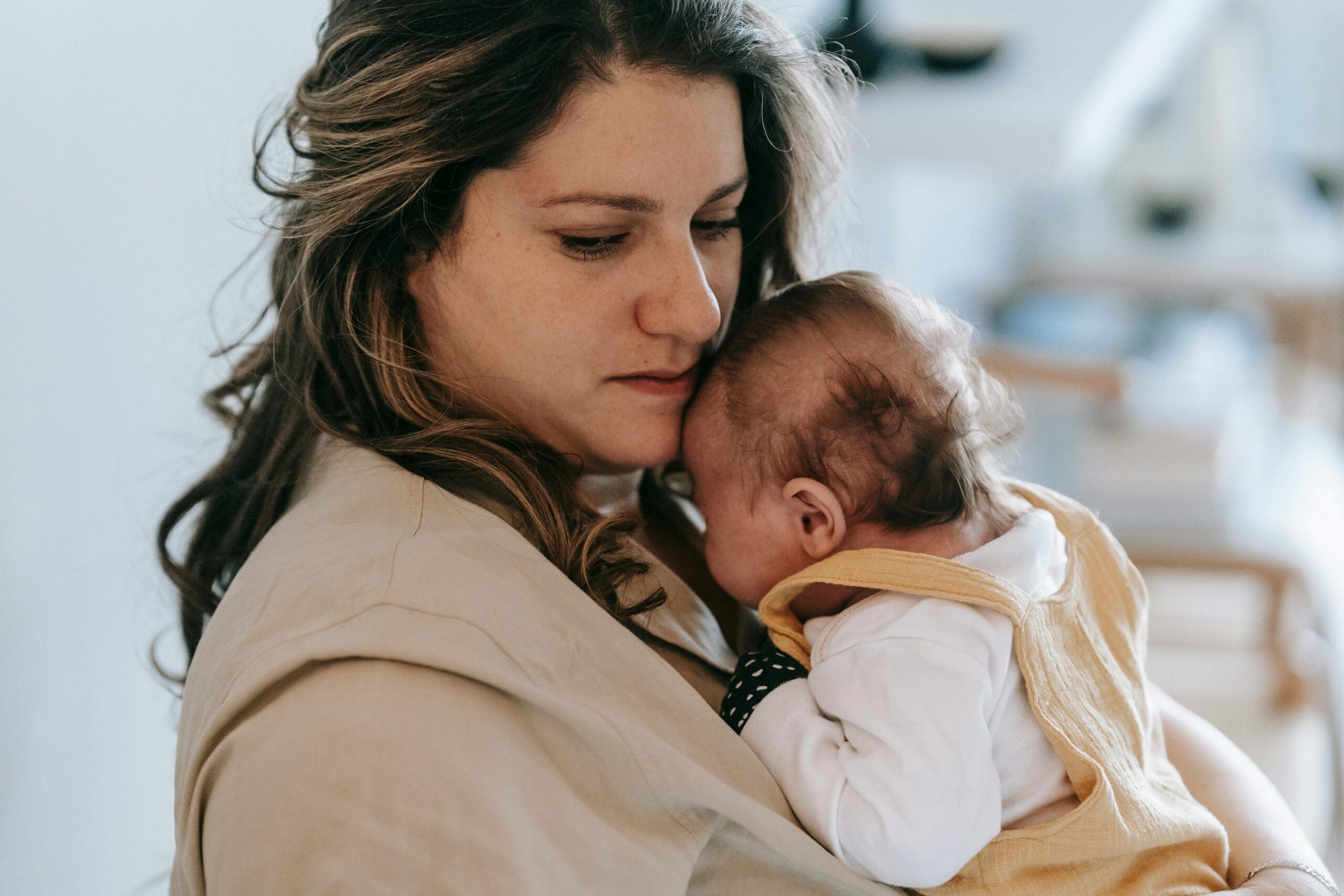
Donate

BTA is a charity that relies on the generosity of community and our wonderful supporters. Your donation will help us reach more Women+ when they need us most.
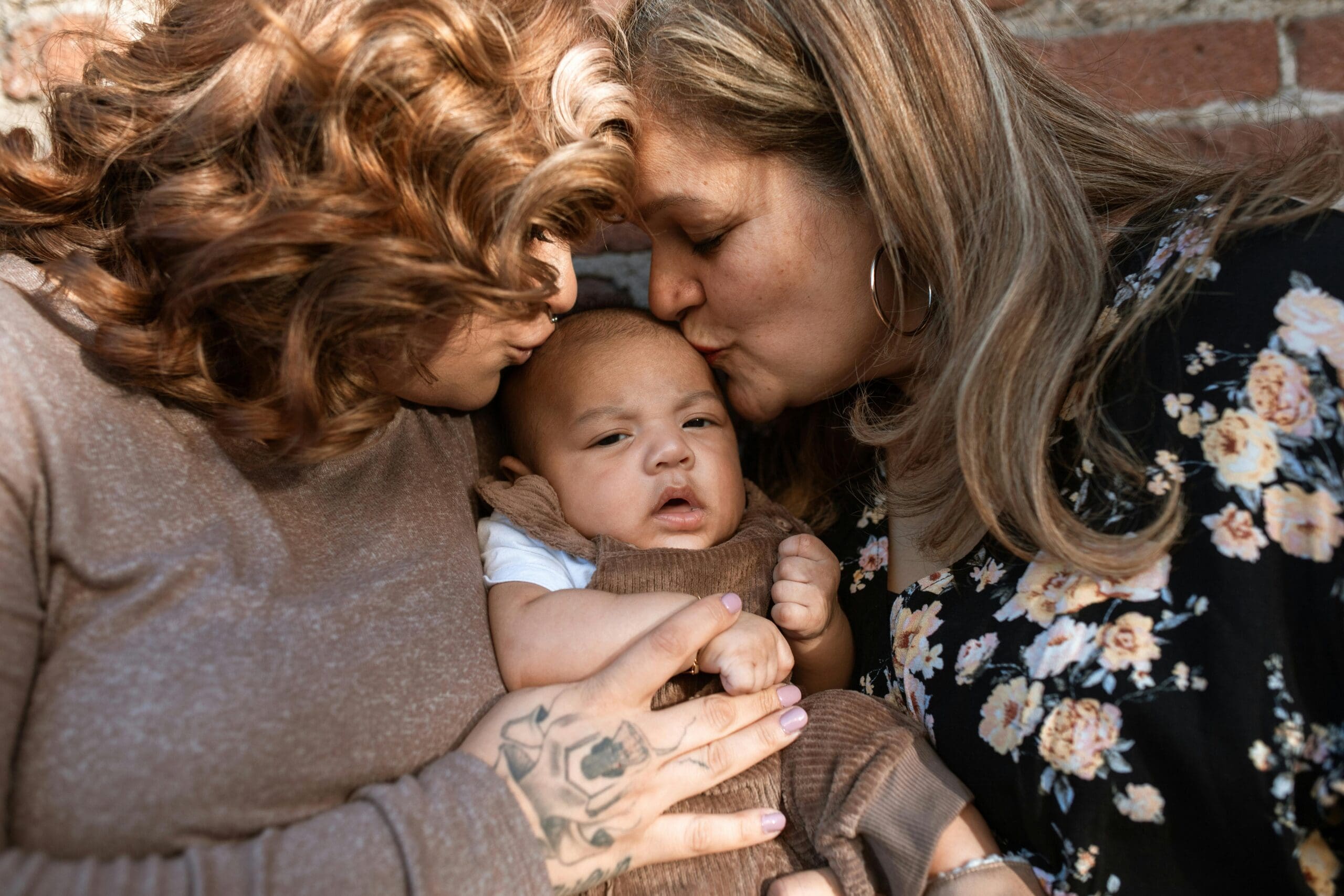
Find Support
If you or someone you love is impacted by birth-related trauma, this is a great place to start to find support and connection. Remember you are not alone, we are here for you.
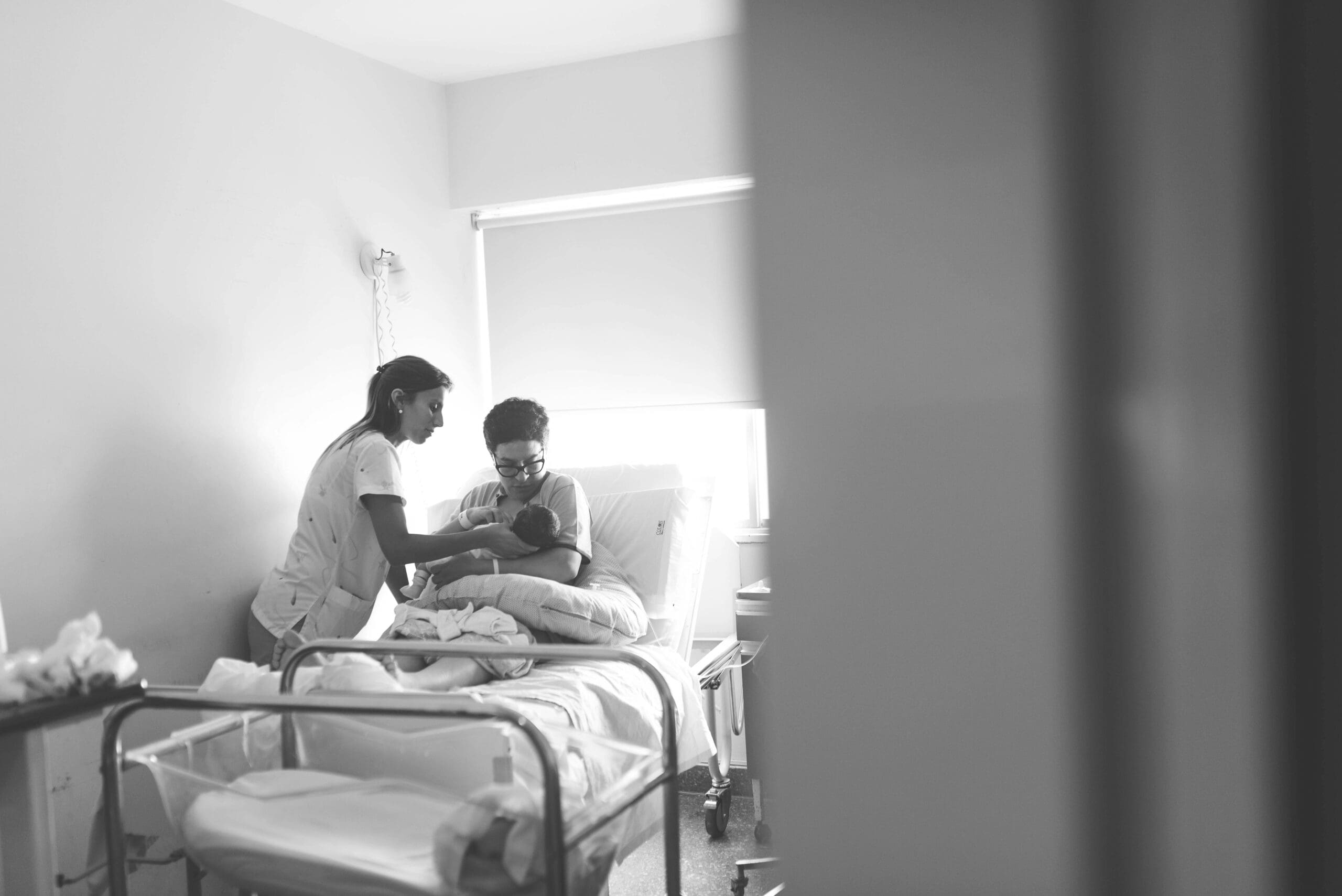
Health Professionals
Are you a health professional caring for those impacted by birth-related trauma? Find resources, support services, research, education, and training.