

Sam's Story
My partner, our son and I are Aboriginal. After a hard road to fall pregnant, and a pregnancy full of worry, I went through an Indigenous MGP program, but I never felt looked after. I was made to feel like a nuisance and branded a “paranoid mother”. I was never taken seriously.
When I went into hospital with reduced movements just days before my planned induction, I knew something wasn’t right. I had also tried to ask for an early caesarean because one of my biggest fears was that, if something went wrong, my baby would be transferred to another hospital away from me.
I was already 4 days past my due date when I went into labour. I called my midwife for help.
I was told to take Panadol, have a shower and go back to bed.
By the time I reached hospital the next morning, a student midwife was the first person to recognise that my son was in distress. It took another eight hours, including a failed epidural, before he was born by emergency caesarean.
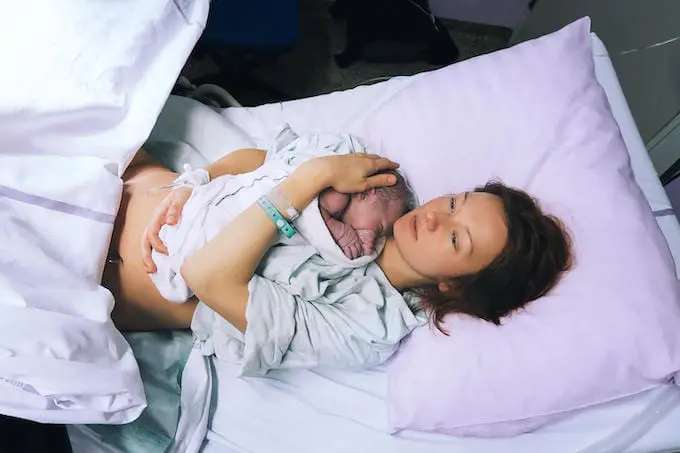
That night, my son was transferred to a bigger hospital in the city because he was too sick to be cared for where he was born. I wasn’t transferred to be with him until the following afternoon. It took four days before I could hold him.
He spent 23 days in NICU and special care and came home on oxygen for nearly six months.
My son is now four. He is a happy, healthy boy, and I’m incredibly lucky to be his mum.
But I still think about what happened. I still wish I had been listened to. So much could have been avoided if I hadn’t just been viewed as a paranoid mother.
Looking back, there are so many things that could have made a difference.
The first is being listened to.
When a mother says something doesn’t feel right, that needs to be taken seriously. It shouldn’t automatically be assumed to be anxiety or being a worried new mum. Mothers know their babies and know their own bodies. Listening doesn’t necessarily mean that everything they are worried about will turn out to be wrong. It means making them feel heard, respected and involved in decisions about their care.
The second is culturally safe care.
As an Aboriginal mother, I believe having more Indigenous people within maternity services could make a huge difference-whether that is midwives, nurses, social workers or other support staff.
There are fears and experiences that can be difficult to explain if the person supporting you doesn’t understand your cultural context. One of my biggest fears was my son being taken away from me. When that fear eventually became a reality and he was transferred to another hospital, it was incredibly distressing.
I also think Indigenous parents need access to someone they can talk to who understands birth trauma and their cultural experience. That support needs to be accessible, including within communities, rather than relying on parents to find their own way through complicated systems after a traumatic experience.
The third is better information and ongoing support.
During my first pregnancy, I received information about things like smoking and drinking, but I don’t remember receiving information about birth trauma or postnatal mental health. I didn’t know what to expect emotionally if birth went badly, or where I could go for support afterwards.
And the support needs to continue after you leave hospital. My son spent weeks in NICU and then came home on oxygen, so our lives were completely consumed by caring for him. At the same time, I was trying to process what had happened to me.
When I became pregnant with my second baby, I experienced maternity care differently.
My twin sister and I were both pregnant again, and she was contacted about returning to the same Indigenous midwifery program. She explained that she didn’t want to see the same midwives because of her own experiences. Her concerns helped prompt conversations and changes within the program.
For my second pregnancy, I chose to go through the Mater and their BIOC program. My Family Support Person already knew about my previous experience and reached out to me to join the program. She wasn’t my midwife, but she helped coordinate and support the things around my maternity care. Most importantly, she knew my history and understood why I needed additional support.
That made a difference.
I didn’t have to keep starting from the beginning and explaining why I was scared. I had someone who knew what had happened and wanted to make sure I was looked after.
Having my second baby also made me realise just how much my family had missed out on during those first few weeks with my son. Going through another pregnancy and becoming a mum again showed me what care and support could feel like when people understood my history and recognised what I needed.
It was during this journey that I found Birth Trauma Australia.
BTA gave me something I hadn’t had before: a community of parents who understood. People who cared, who listened and who didn’t make me feel like I was overreacting or being difficult.
I started volunteering and became an advocate because I realised how important that community is. I also learned that one in three women experience birth trauma. That statistic shocked me, and it made me realise how much more needs to be done to prevent birth trauma, educate professionals and support parents afterwards.
I’m now pregnant with my third baby, and my experiences continue to shape the way I think about maternity care.
I advocate for BTA because I don’t want other parents to feel the way I did. I want mothers to be listened to when they say something isn’t right. I want Indigenous families to have culturally safe care and people they can trust. I want parents to receive information about birth trauma before they need it, and to have access to meaningful support afterwards.
Most importantly, I want parents to know that what happened to them matters and that they don’t have to go through it alone.
Sam Smith – Dunghutti Woman